
Population: Approximately 22 million
Languages: Sinhala, Tamil, English (widely used in education and business)
Religions: Buddhism, Hinduism, Islam, Christianity
The Pearl of the Indian Ocean
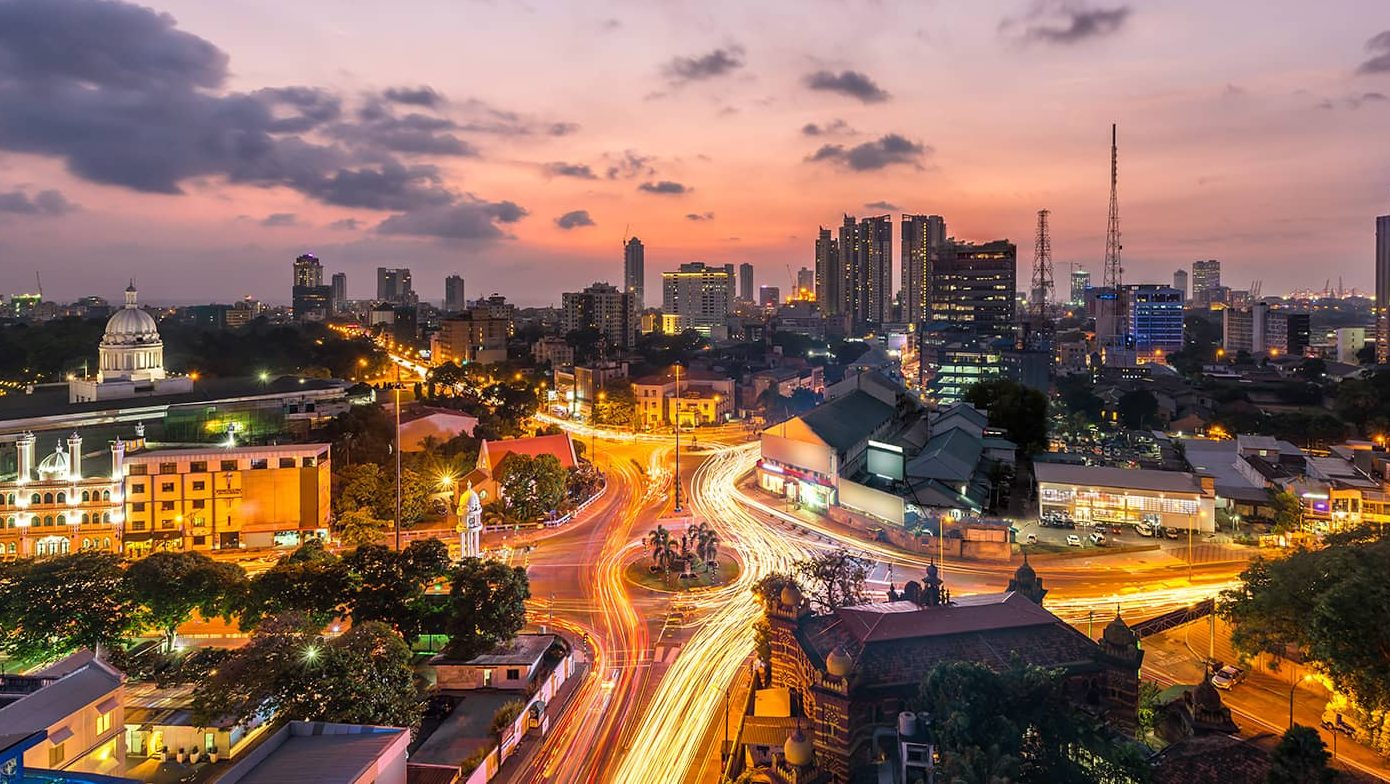
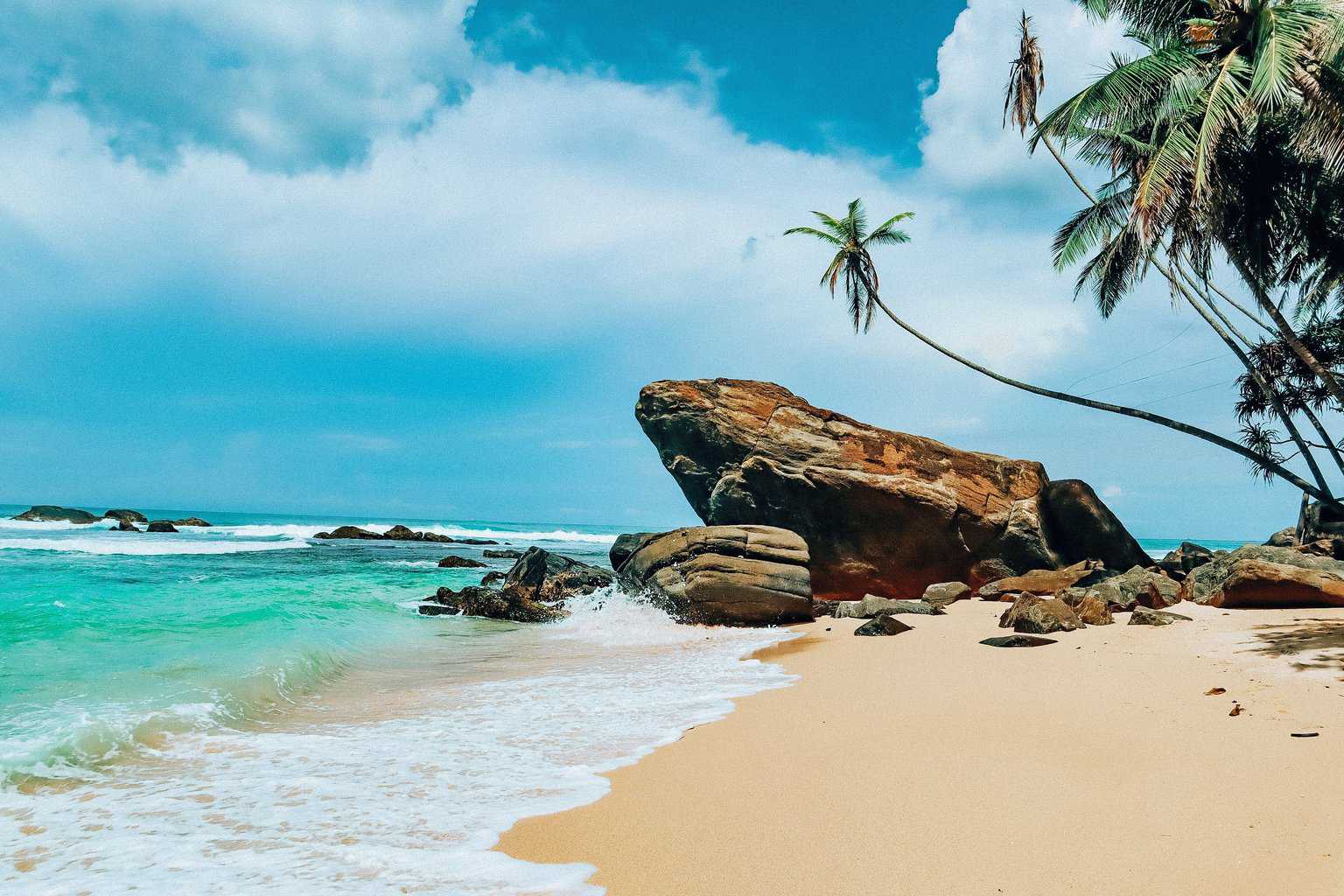
Discover a land of stunning beauty, rich heritage, and resilient people. Sri Lanka, nestled in the Indian Ocean, is a nation of contrasts—lush jungles and bustling cities, ancient traditions and emerging technology.
Cultural Highlights
From traditional Kandyan dancing to colorful Vesak lanterns, Sri Lankan culture is a tapestry woven with spirituality, art, and resilience.
Brief History with Education Focus
For centuries, Sri Lanka has valued learning. From ancient monastic education to today’s public school system. Post-independence, the country has made education free and accessible, with English as a vital subject.
Top Attractions in Sri Lanka
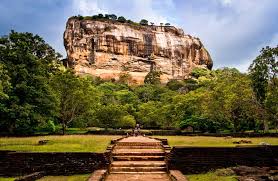
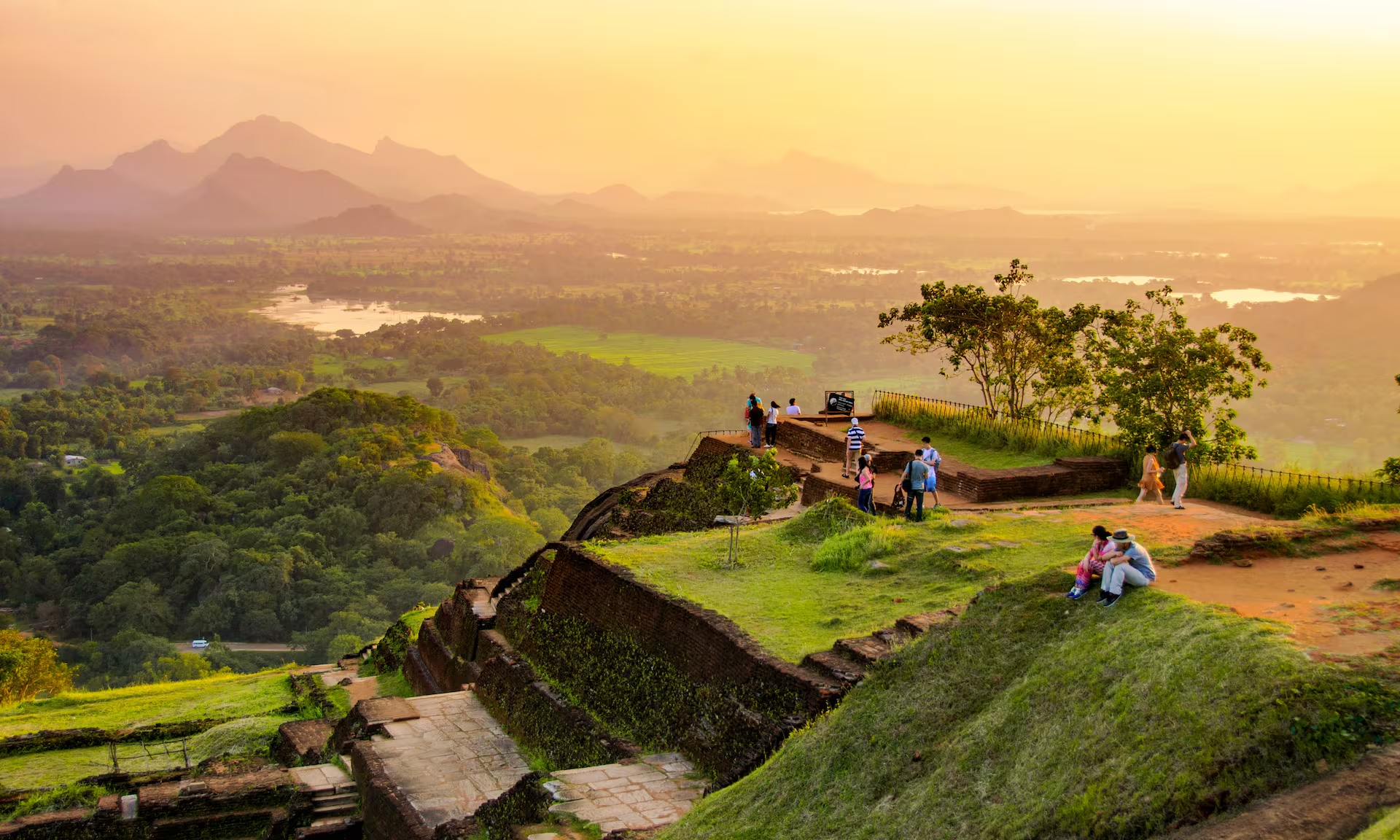
Sigiriya Rock Fortress
An ancient rock fortress known for its breathtaking views, royal gardens, and historical frescoes.
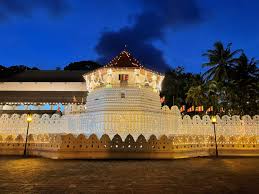
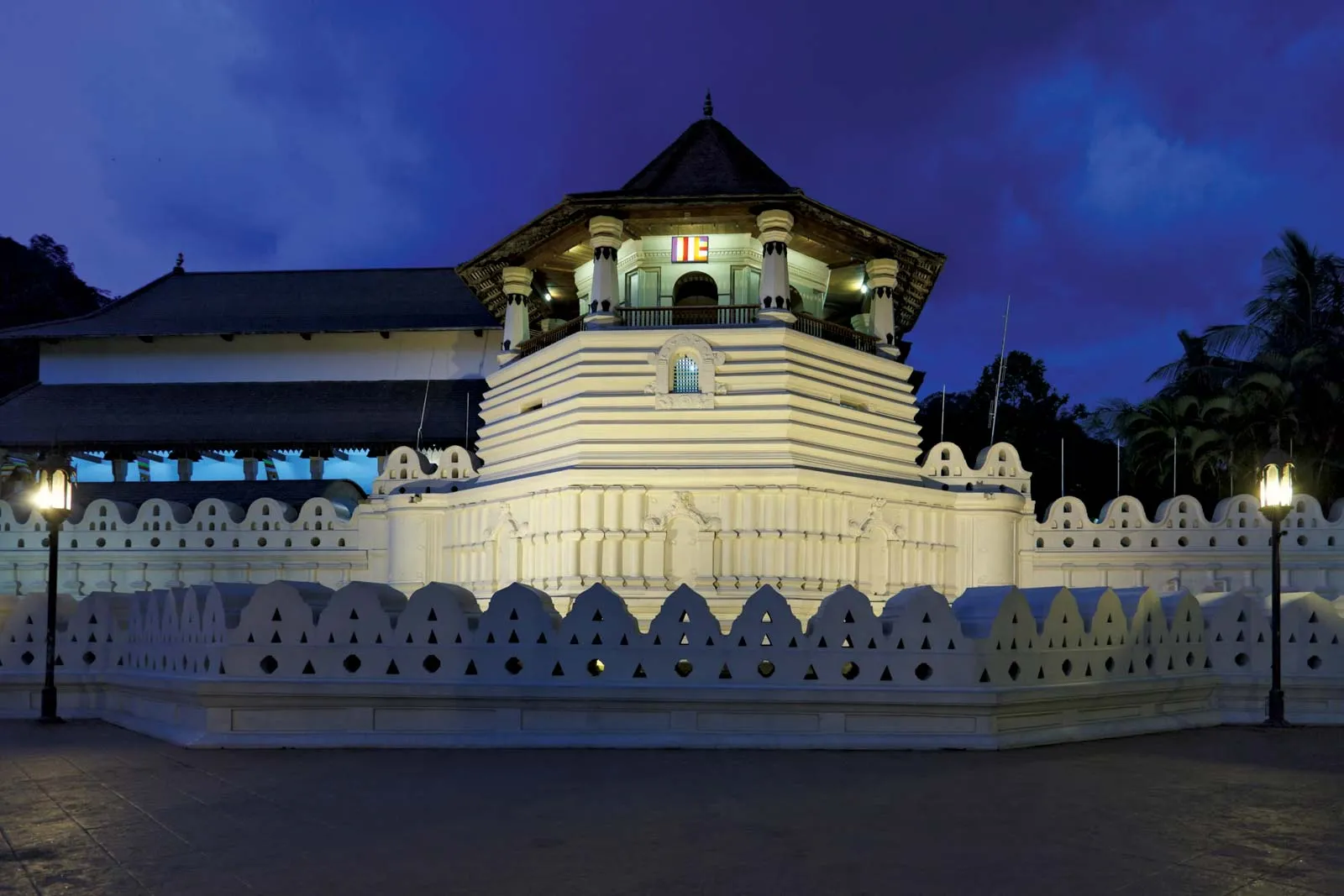
Temple of the Tooth Relic
Sri Lanka’s most sacred Buddhist temple, rich in heritage and cultural tradition.
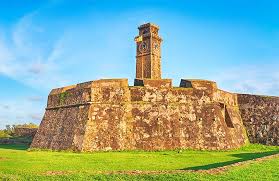
Galle Fort
A beautiful coastal fort with colonial buildings, cafés, and charming ocean views.
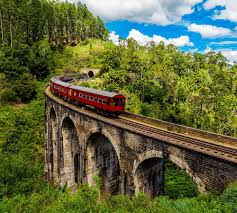
Ella – Nine Arch Bridge
A relaxing hill-country town famous for scenic views, tea estates, and the iconic railway bridge.
Learning in Sri Lanka
Sri Lanka’s commitment to education is commendable, with free schooling available to all children and a cultural emphasis on academic achievement. However, despite the strong foundation, disparities between regions and limited resources present both opportunities to build upon and challenges to overcome.
- Free education for all from primary to university level
- High literacy rate (over 90%) showing strong foundational potential
- Strong national curriculum and structured exams like G.C.E. A/L
- Rising demand for English in higher education and jobs
- Government investment in digital education tools
- Community respect for education and high parental involvement
- Potential for international collaboration and virtual volunteering
- Overcrowded classrooms, with 40–60 students per class in government schools
- Shortage of qualified English teachers, especially in rural and estate areas
- Inequitable access to quality education between urban and rural regions
- Rote learning focus, limiting students’ ability to use English in real-life situations
- Limited infrastructure, including lack of internet access, libraries, and language labs in many schools
- Inconsistent exposure to spoken English, reducing listening and speaking proficiency
- Heavy workload on teachers, leaving little time for individualized attention
English: The Key That Opens Doors
In today’s global world, English is more than a subject—it’s a stepping stone to opportunity. In Sri Lanka, where education is deeply valued, English has become a powerful tool for breaking barriers, opening career paths, and connecting communities to the wider world.
English skills can increase earning potential by 20–50% in Sri Lanka.
Real Stories. Real Impact.
Understanding Your Students’ World
To teach effectively in Sri Lanka, it’s important to understand the rich cultural backdrop that shapes students’ lives, values, and behavior. This awareness helps create meaningful connections and a respectful, engaging learning environment.